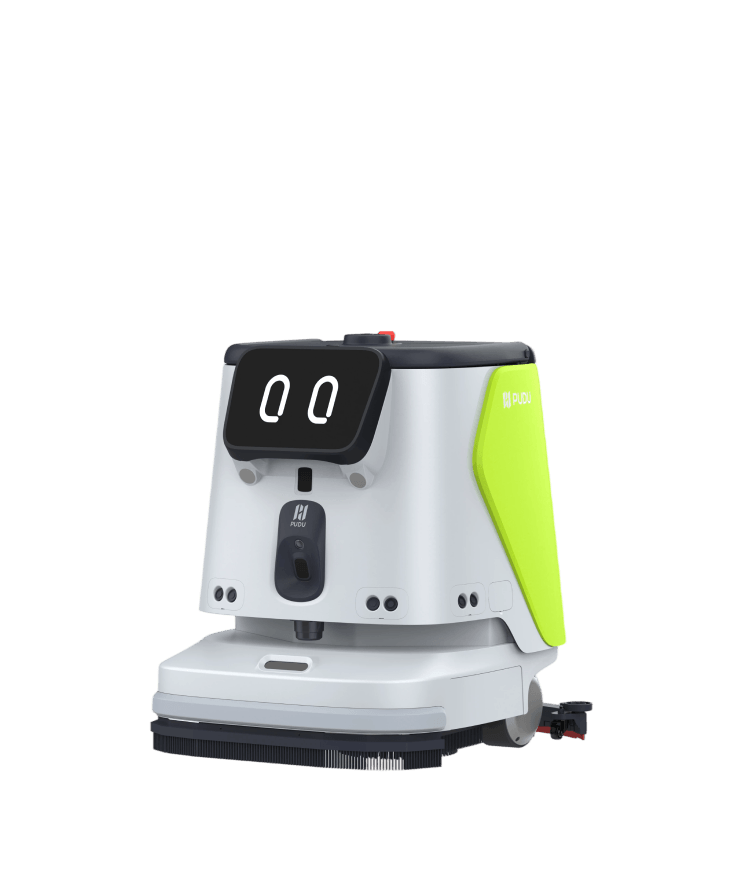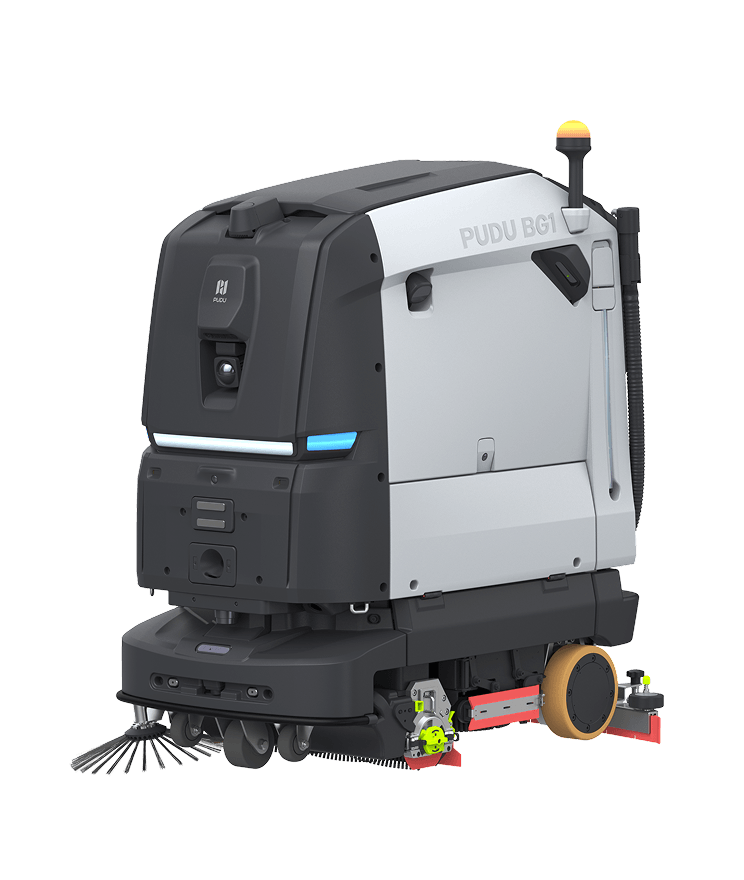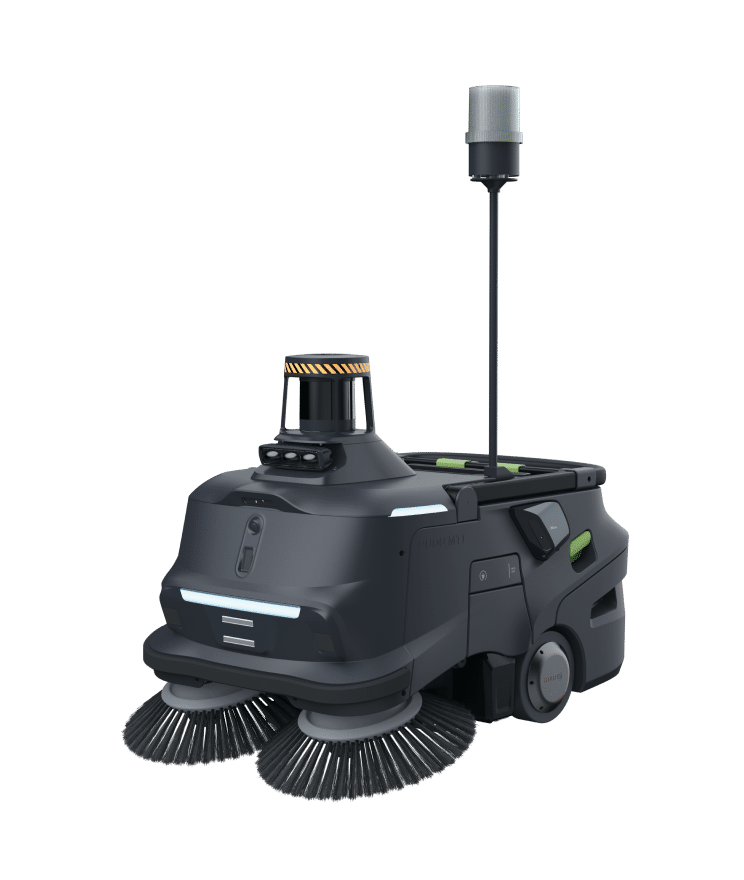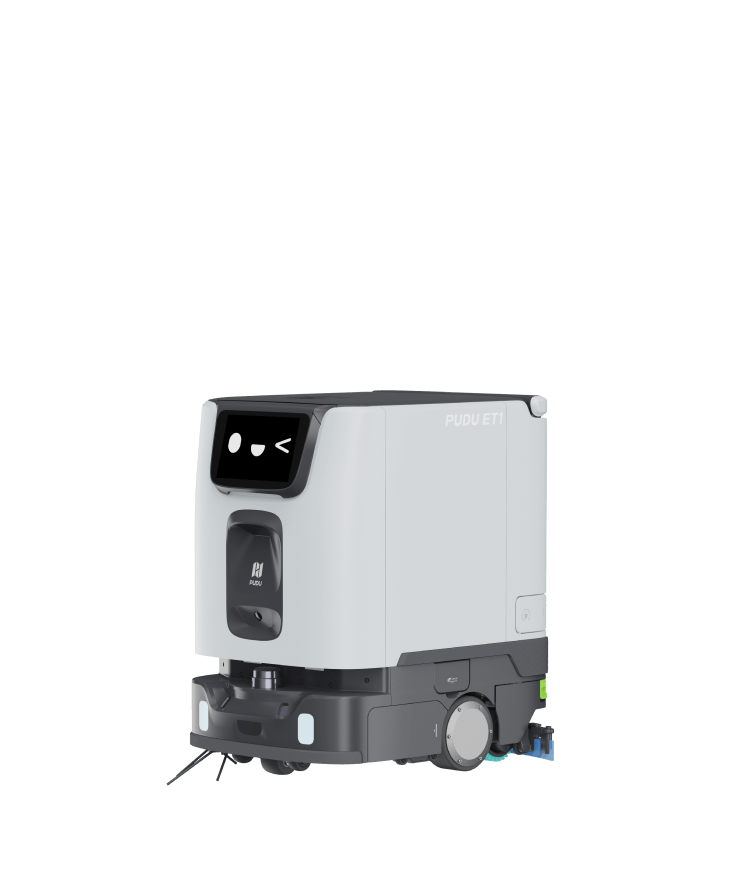
PUDU CC1 Pro
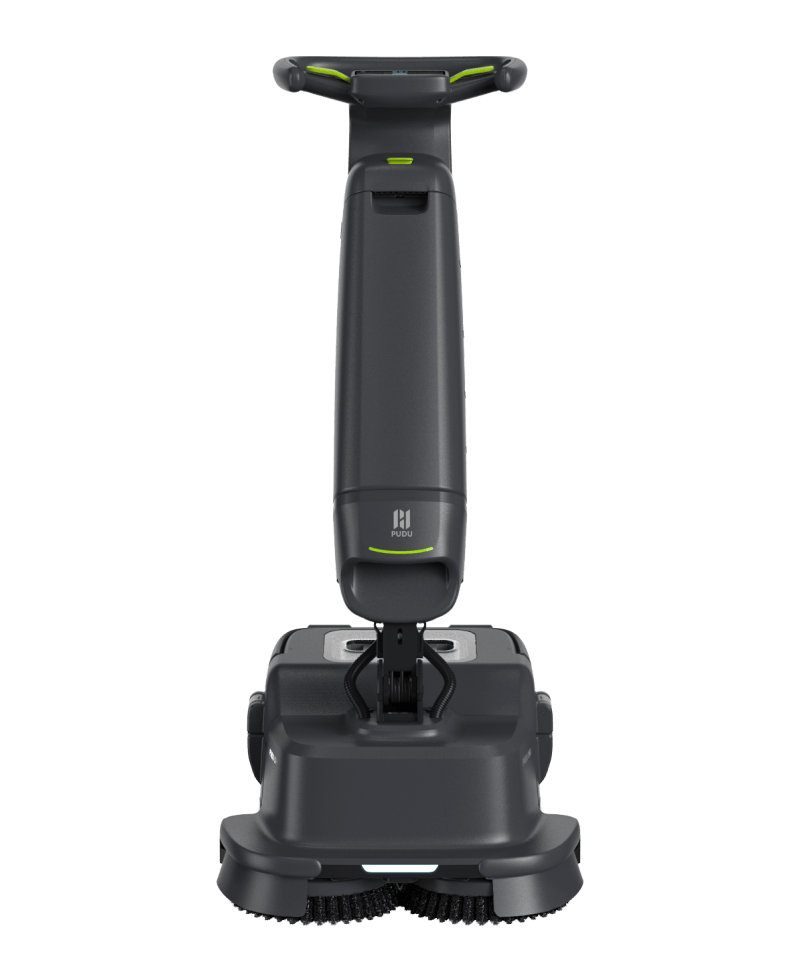
AI-powered autonomous scrubber with real-time cleaning-performance detection and adaptive intensity. The default choice for offices, hotels, and healthcare.
Autonomous floor-care robots for U.S. facilities — supplied, installed and serviced from depots on both coasts. They run the floor passes; your crew keeps the edges, restrooms and trash.
Four numbers about your facility. We model the labor you displace, the robots you need, and your payback period — live, as you type.
The floor is the limit: at 2,800 sq ft/h this area is 16.1 hrs of work a day, and the robot takes those hours over. Edges, restrooms and trash stay manual.
We don’t publish list pricing — every deployment is quoted per site, after the walkthrough. The range above assumes typical U.S. pricing for this class of robot. Enter your quote for exact numbers
Estimates only. Based on published robot throughput and U.S. janitorial wage benchmarks. Actual results vary with floor type, layout, traffic, and shift structure. Not a quotation.
of routine floor-care hours can be handled autonomously
faster cleaning cycles versus manual walk-behind methods
continuous operation with auto-charge and auto water refill
typical equipment life — with U.S.-stocked spare parts
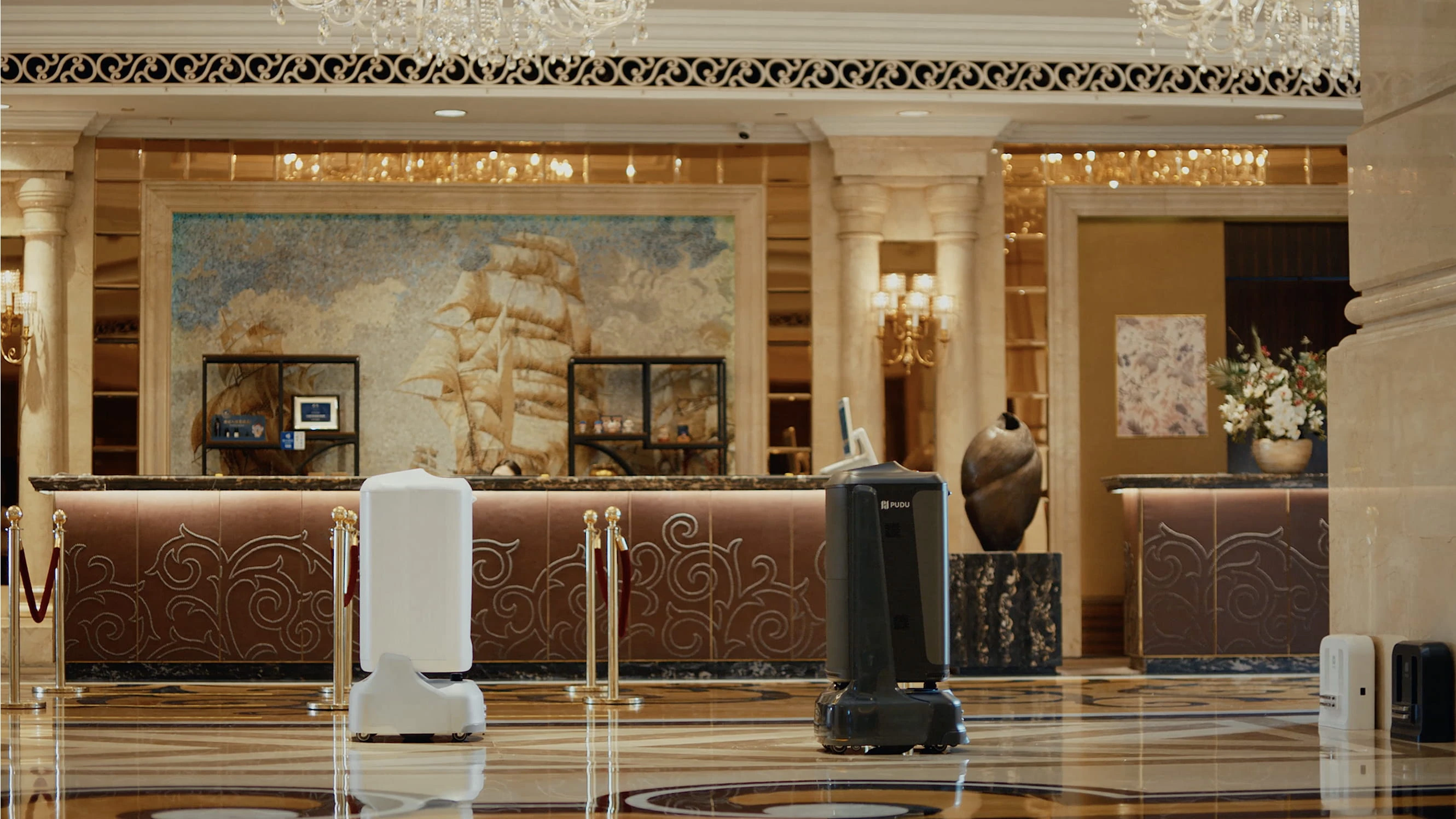
Eight clips from PUDU's own channel — hotel lobbies, big-box floors, warehouse aisles, and the new GT mowers. Every one shot on a live site, not in a studio.
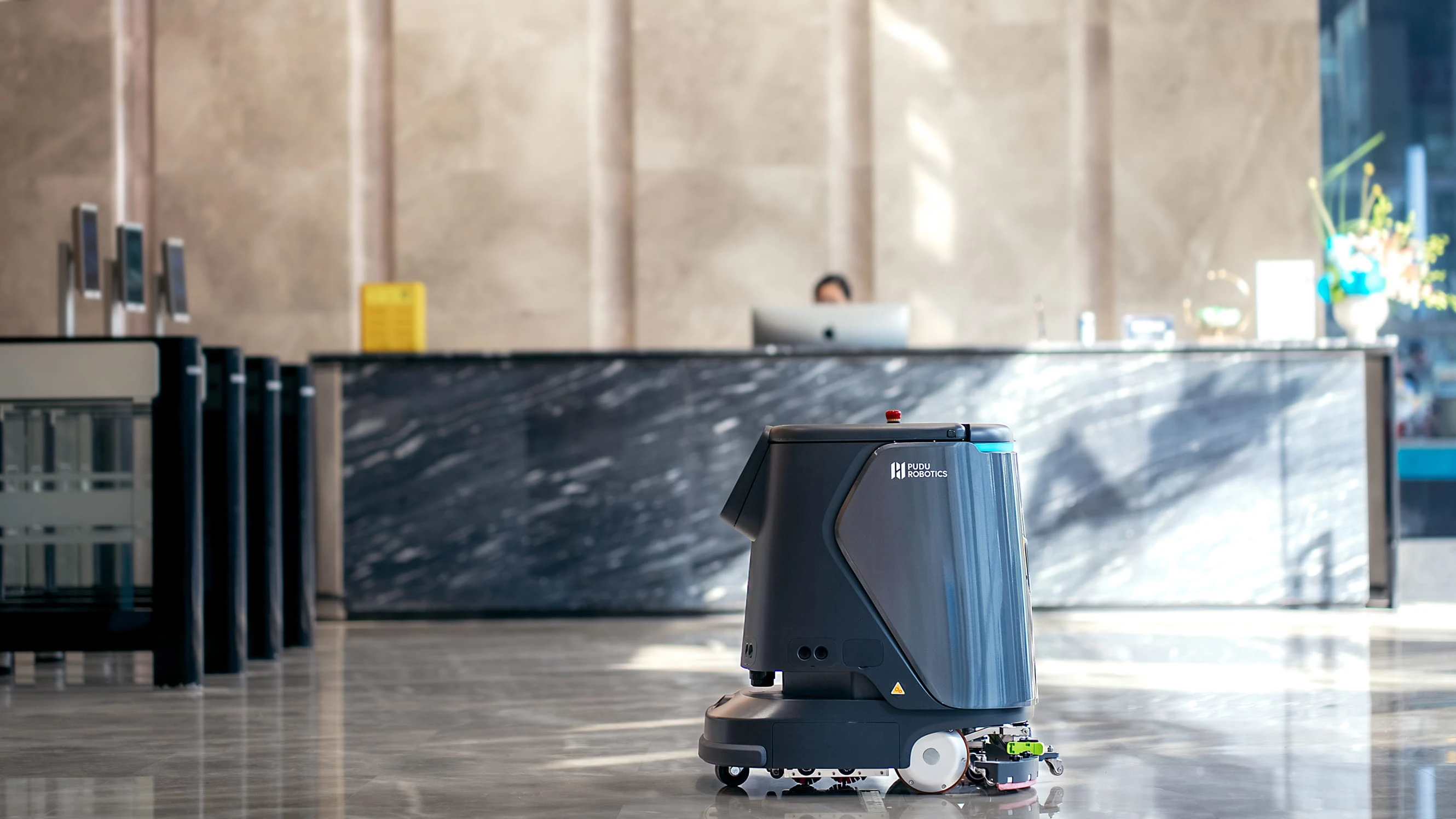
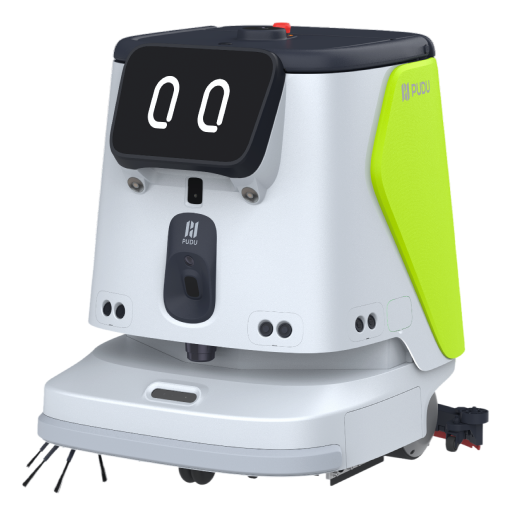
AI-powered autonomous scrubber with real-time cleaning-performance detection and adaptive intensity. The default choice for offices, hotels, and healthcare.
Dual-disc scrubbing at 25 kg of down pressure with a quick-release brush system. Built for stubborn soil and high-gloss hard floors.
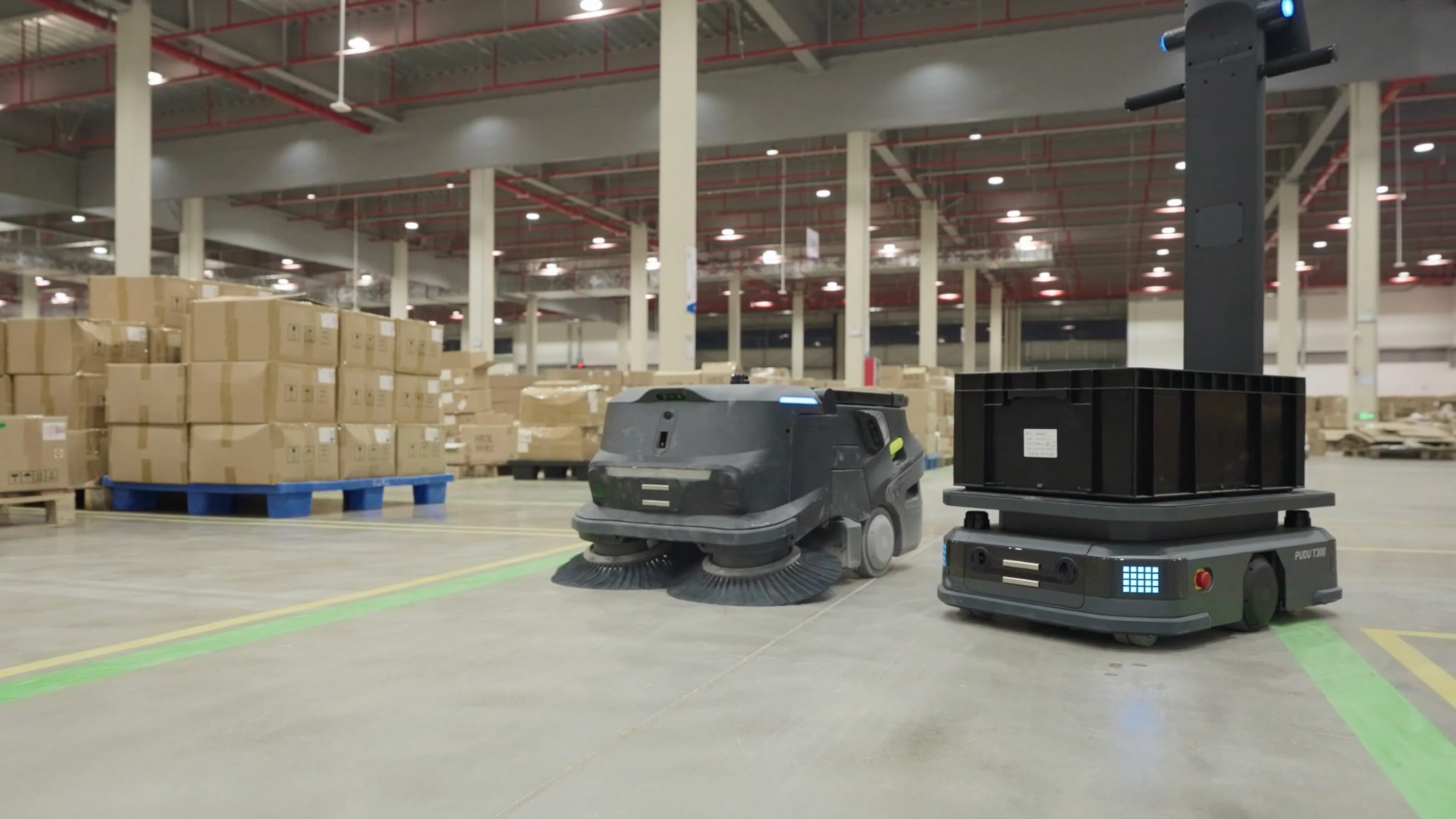
One-pass sweep and scrub for large-format spaces. Extendable edge cleaning reaches where fixed decks can't, at up to 9,000 sq ft per hour.
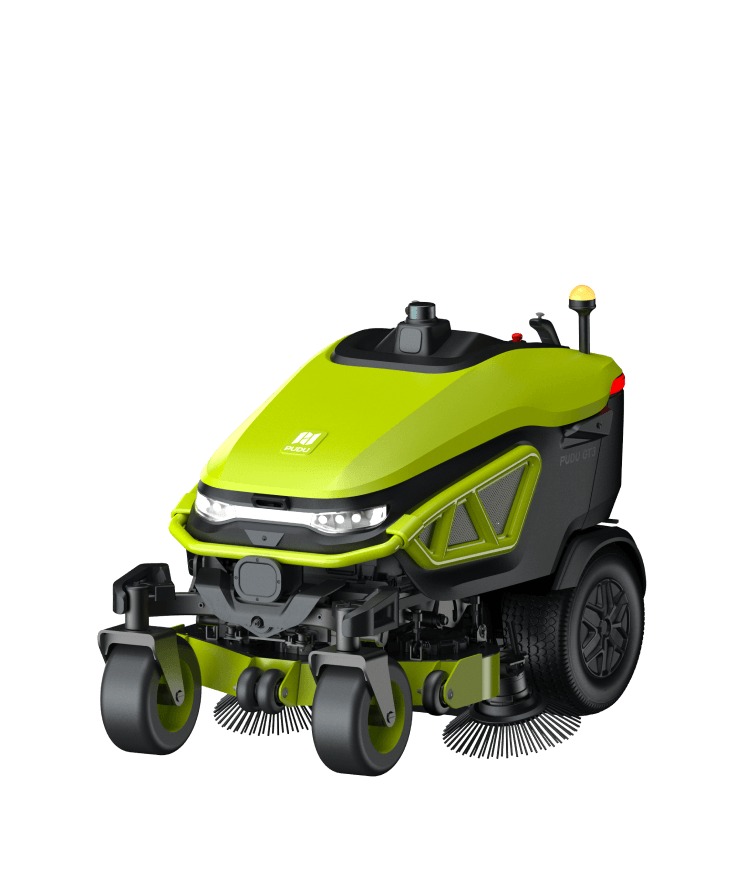
3D-perception sweeper that swallows debris big and small — bottles, wrappers, dust — across up to 100,000 m² of warehouse or parking deck.
Compact 4-in-1 scrubber with self-cleaning roller mops and a 21.5" ad display. Slips through tight aisles — and pays for itself in sponsorship space.
Smart upright scrubber — 27 kg brush pressure, 350 rpm, and a 360° swivel head. 30% more coverage with 25% less water and chemical per pass.

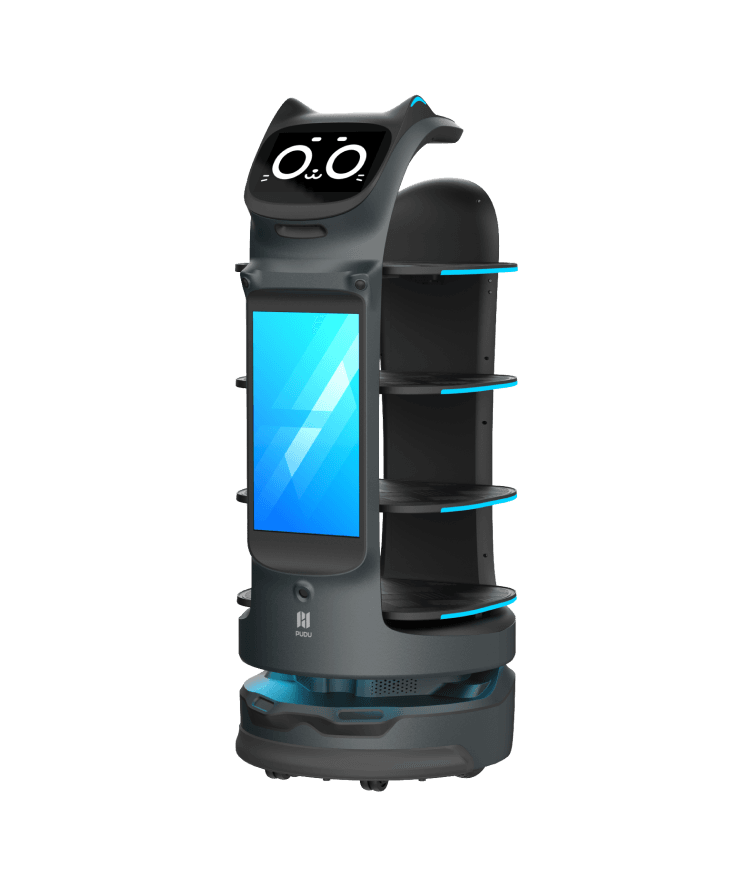
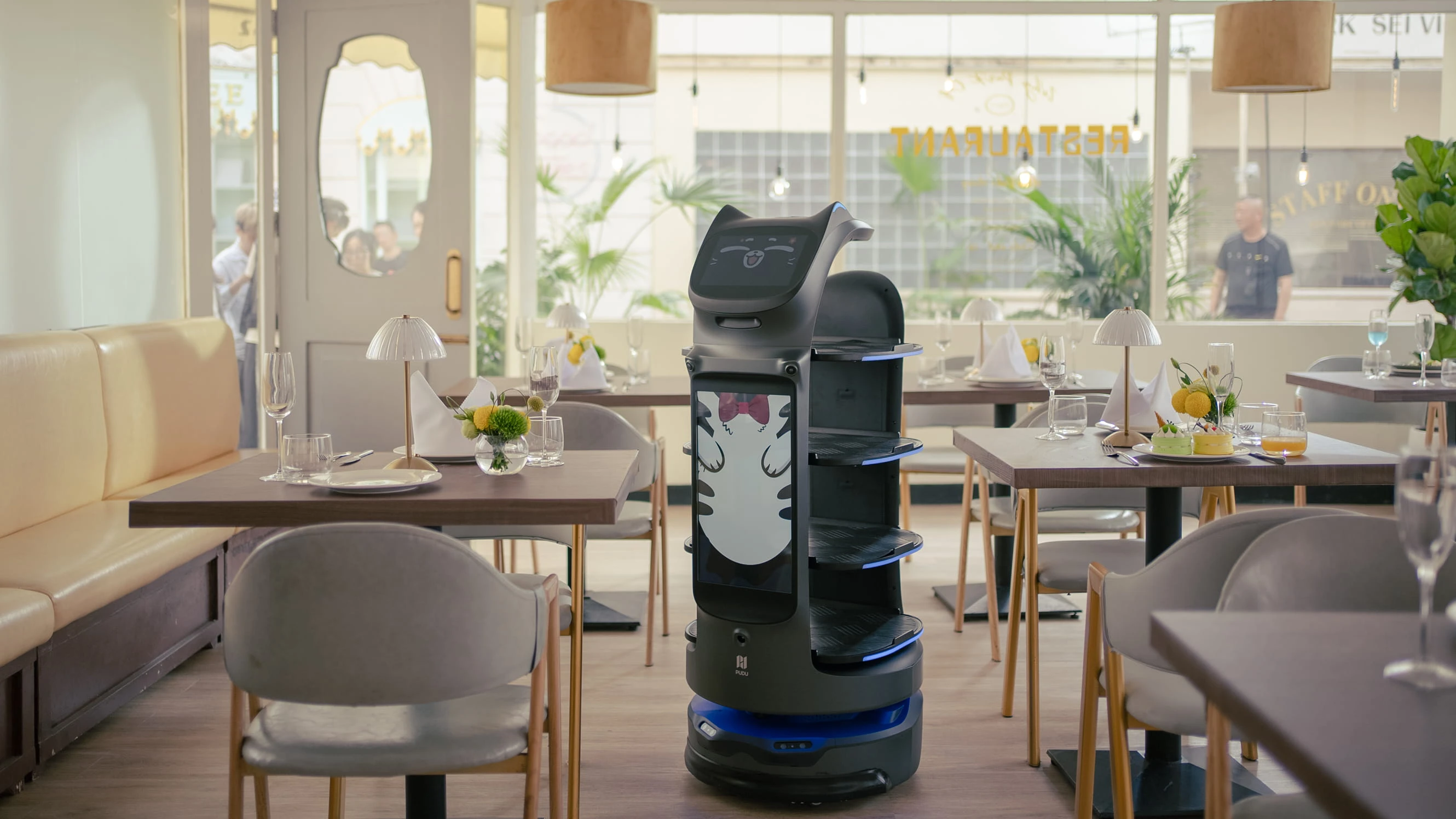
The hospitality icon. Four-tray delivery with an expressive face, voice interaction, and 14" ad screen that turns every trip into brand exposure.

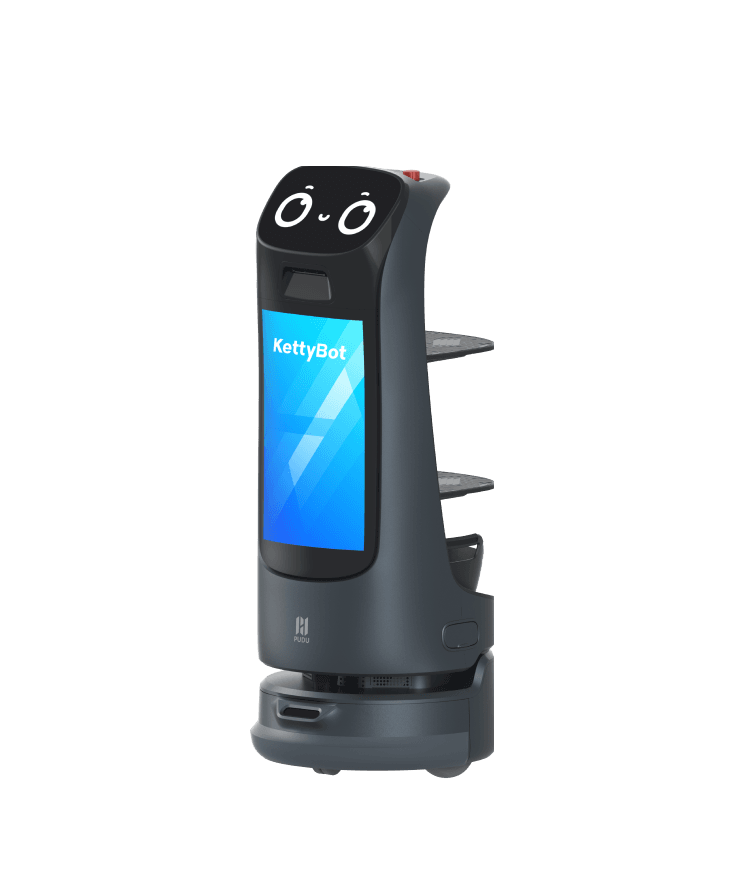
Slim, nimble multi-tasker for greeting, guiding, and delivery in tight dining rooms and retail floors.

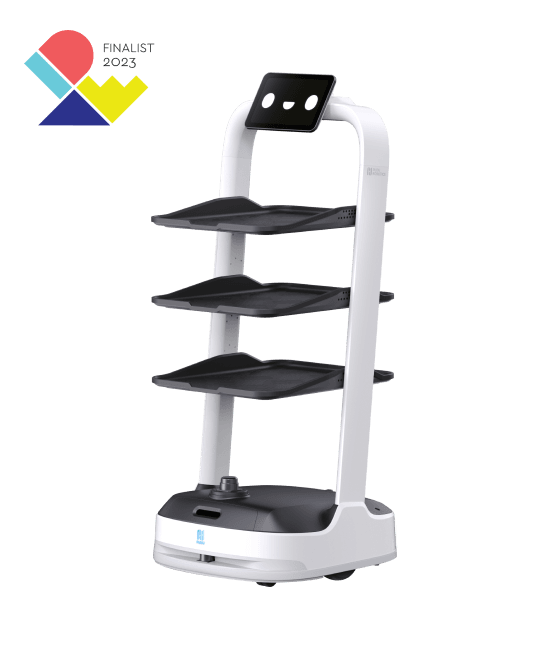
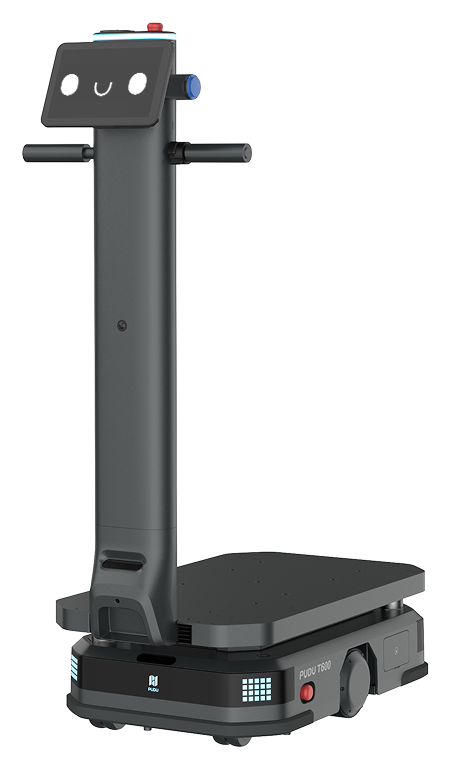
The workhorse. Multi-scenario indoor delivery with PUDU VSLAM+, a fully enclosed body, and up to 12 hours of runtime.

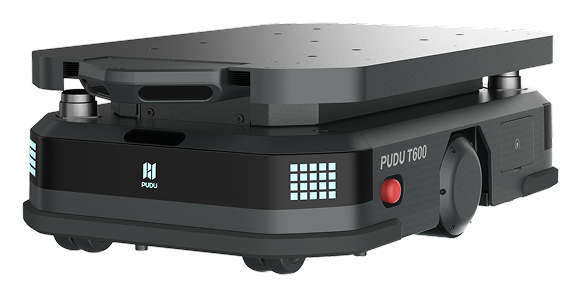
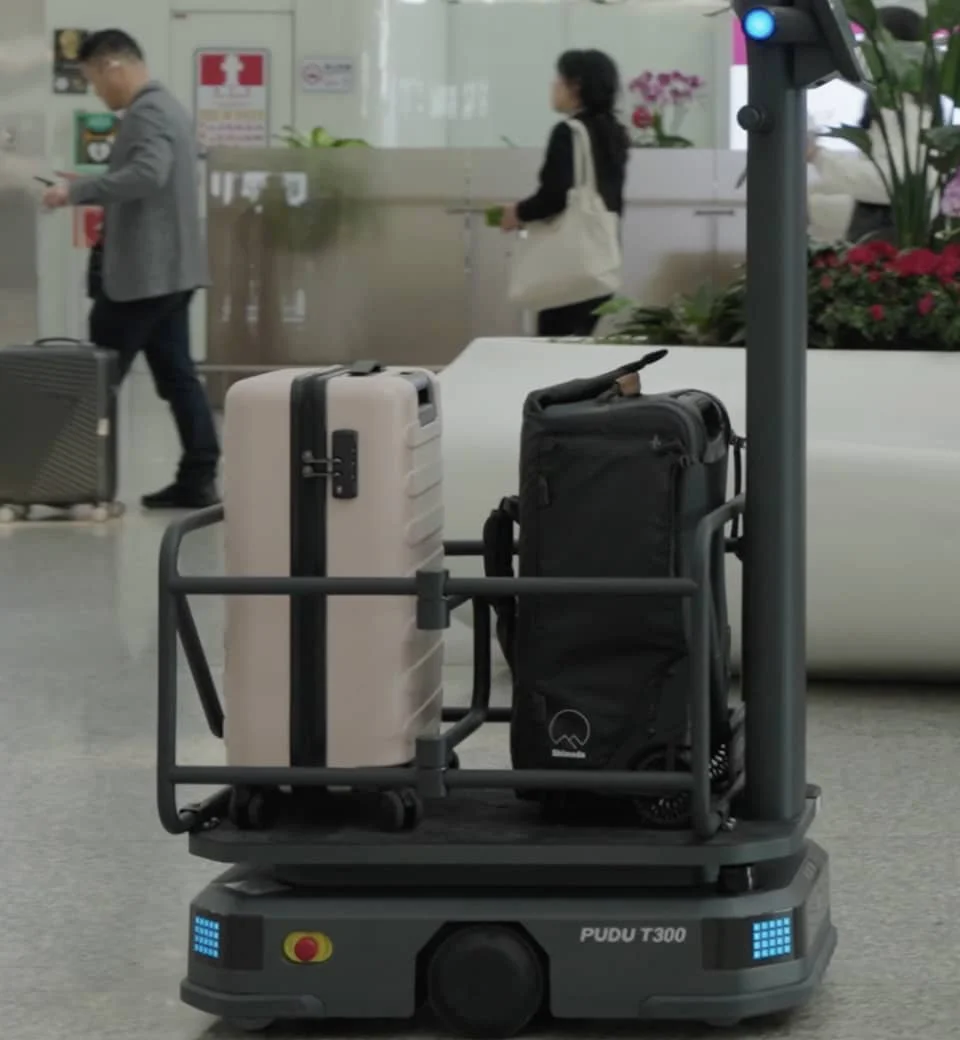
300 kg payload industrial delivery with 60 cm pass-through clearance — designed to slot into existing plant workflows without rebuilding them.

Heavy-payload platform for pallet-scale moves between lines, aisles, and staging areas. Underride variant available.

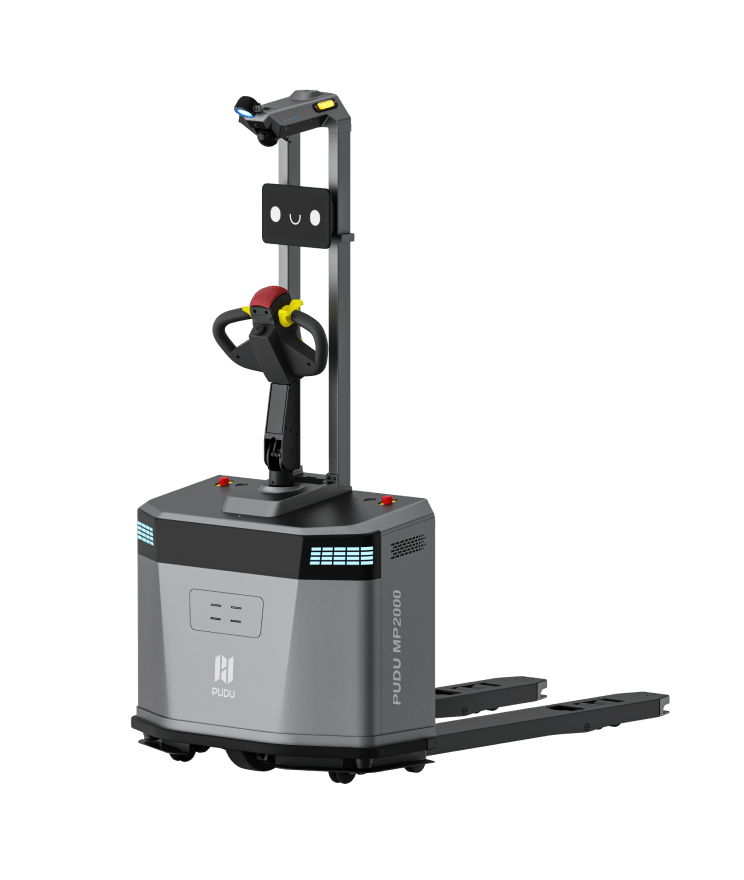
AI-native pallet handling. Autonomous pick, move, and drop for standard pallets — no fixed infrastructure required.
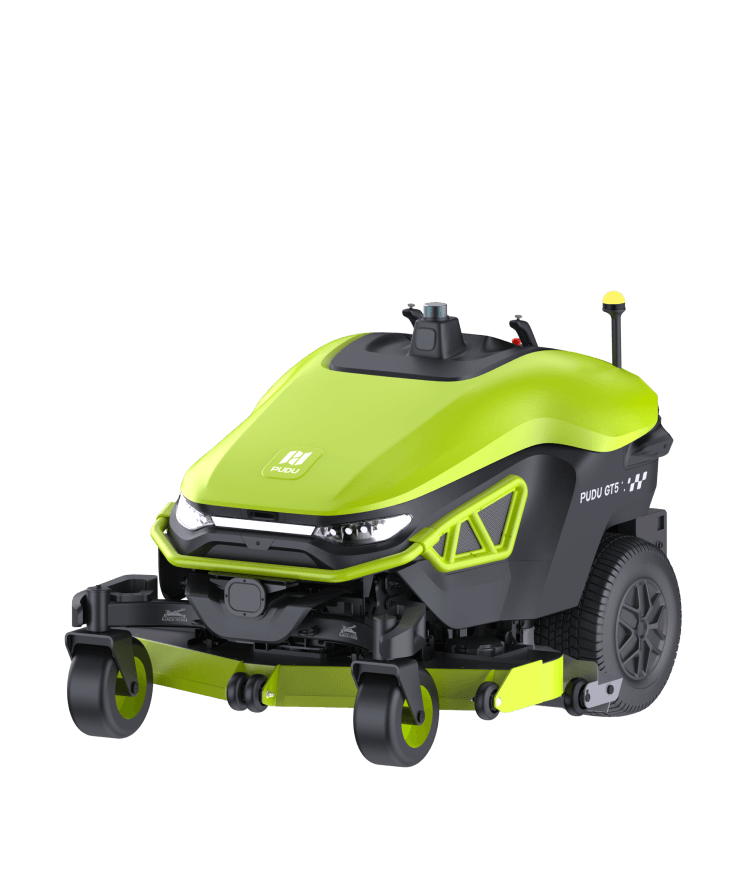
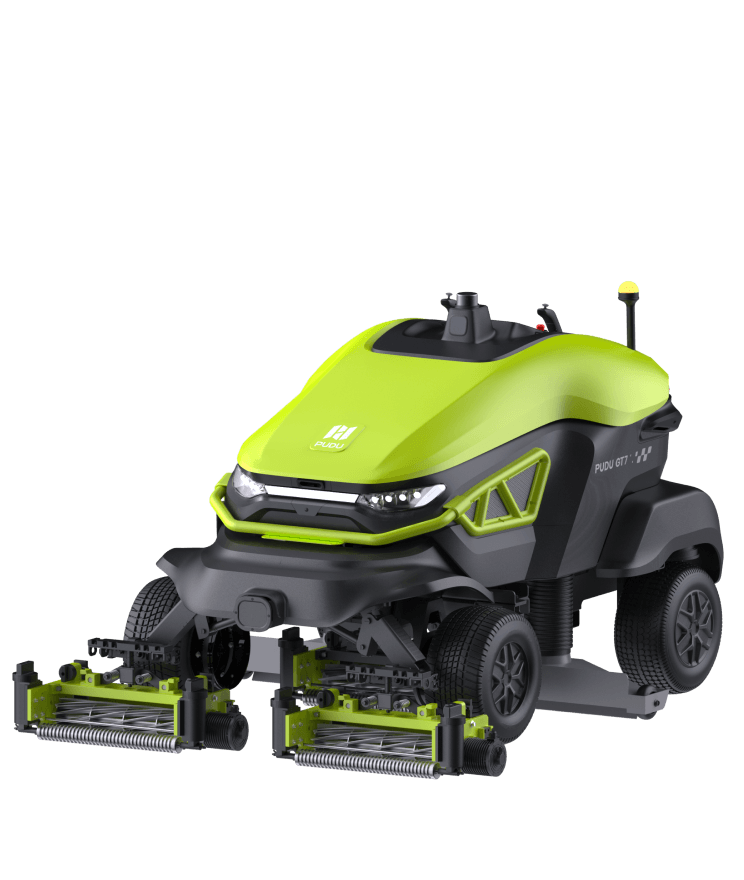
PUDU's GT series does for turf what the CC1 did for hard floors: one machine, a mapped route, and a coverage report when the shift ends. Three decks, from a 36-inch campus mower to a 62-inch sports-turf reel.
Cuts, vacuums, and collects in a single pass. Blades off, it becomes a walkway sweeper — so it keeps earning in the off-season.
Wide-deck mowing for parks, campuses, and corporate grounds. Maps from satellite imagery, so there is no perimeter walk before the first cut.
Three independently floating reel units hold height of cut across undulating turf. Built for golf and athletic fields, not lawns.
GT units use RTK positioning and ship with a base station. U.S. delivery windows vary by region — ask for yours before you spec one into a bid.
Every deployment starts with a walkthrough, not a brochure. We map your floor plan, measure traffic, and configure the fleet around your shift structure.
Lobbies that stay spotless through every check-in wave.
Quiet, predictable floor care that never disrupts patients.
Clean aisles during open hours — without blocking shoppers.
Dust and debris control across 100,000 m² of concrete.
Campus-scale coverage with one operator and a tablet.
Terminal floors, 20 hours a day, with zero missed zones.
QuikTrip stores across the US — every location in the chain, deployed across 2024 and 2025.
Units at Albert Heijn, Netherlands. Supermarket floors, high traffic, open to close.
Units at Denner, Switzerland — live since autumn 2025 on the same CC1 platform.
Also in production: Parkhotel Eisenstadt, Austria — five robots including a CC1 — and New Town Plaza, Hong Kong, China, running MT1 Max, CC1 Pro and SH1 indoors and out.
A CC1 Pro on a 45,000 sq ft office floor. These are typical timings for an overnight schedule — your map and route order will differ. The shape of the shift will not.
Most robotics projects fail in month three — not because the hardware is wrong, but because nobody mapped the building, trained the night crew, or stocked the wear parts. We handle all three.
Robots ship from domestic warehouses. Consumables and wear parts arrive in days, not weeks.
We map, route, and tune every robot in your building — then train your crew on the floor, not in a webinar.
Every unit reports coverage, water use, and completion rate. You get a monthly performance review with numbers attached.
Buy outright or spread it over 24–36 months. Nothing is rented, and the unit is yours from the first cycle.
No construction, no new wiring, no dedicated IT project. Every step ends in something you keep — a fit report, a site map, a measured baseline, a go/no-go, a fleet plan.
Thresholds, aisle width, elevator access, floor type. Three or four sites tells us whether the estate is uniform.
We drive the route once, cut it into zones and no-go areas, then price the site. This is where a quote becomes possible.
One robot, real traffic, your staff. We log cycles, faults and re-cleans until the pattern is stable — not just for a day.
Cycles, faults and re-cleans against your own baseline. If it does not beat the mop, we say so and stop.
Unit mix, schedule and price per site. Training happens during install, on your floor, with the crew that presses start.
Same hardware, same service, same coverage report. The only difference is whether it lands on your capex line or your opex line.
The cleanest math if you have capex and expect floor care to stay in-house for five years or more.
A payment schedule, not a lock-in. The unit is yours from the first cycle — move it to another site whenever you need to.
We don’t publish list pricing. Robot configuration, options, floor type, site integration, and fleet volume all move the number, so every quote is built after the walkthrough — with the payback modeled on your own labor costs before you sign anything.
A regional janitorial contractor running 14 PUDU units across hotel and Class-A office accounts.
Our turnover was 68% and every open req cost us a contract. The robots took the floor-care hours off the table — same crew, 22% more buildings under contract, and we finally stopped losing bids to staffing.
A standard 120V outlet, your existing Wi-Fi, and about 27 inches of path clearance. Everything below is optional — and configured during commissioning, not before.
Call an elevator, hold a door, or trigger an automatic entry — through the building's existing controller, not a retrofit.
Status and fault data can feed a BMS or a facilities dashboard over a standard gateway. No proprietary lock-in.
Runs on 2.4/5 GHz Wi-Fi. Where coverage is thin — parking decks, warehouses, remote grounds — add a cellular module.
Badge-in at turnstiles or secure doors can be coordinated with your access vendor so the fleet moves with your schedule.
Typical requirements for a CC1 Pro class unit. Confirm against the spec sheet for the model you are quoting.
Still unsure whether your building is a fit? Send us the square footage and floor type — we'll tell you honestly.
Ask a specialistNo. One cleaner stays on the floor for edges, restrooms and trash — the robot runs the passes. Nobody gets laid off; what changes is that the floor still gets done on the nights nobody shows up. Where three people really are on floor care, two of those salaries stop.
Mapping is the fast part — a 4,000 sq ft store takes half a day. A pilot is one robot on your floor until the pattern is stable, not just for a day. Forty sites is a quarter, not a weekend, and we'll tell you which one you're buying.
No construction required. Units need a standard 120V outlet for charging, Wi-Fi for reporting, and about 68 cm of path clearance. Elevator and door integration is optional and handled during commissioning.
A technician picks up the fault report within an hour and works it remotely first — most stops are a configuration or a sensor, not a broken machine. If it can't be fixed remotely, someone drives out within 48 hours. Brushes, squeegees, batteries, pumps and dock valves are held on both coasts.
Yes. One robot, real cycles and re-cleans on your floor, then a decision on measured data. The pilot is how we find out whether the case holds at your site — and we've told people to stop when it didn't.
Twenty minutes, one walkthrough, and a written coverage plan with modeled payback — no obligation, no pressure.