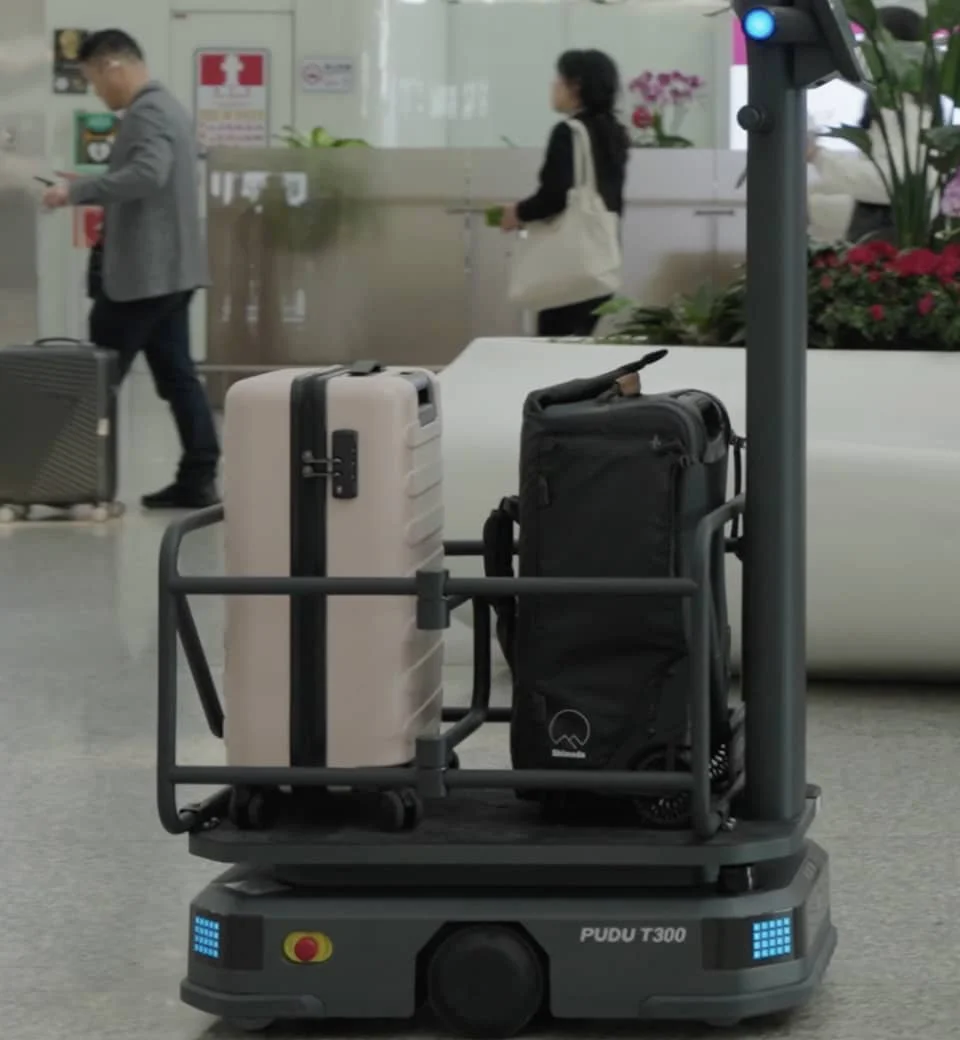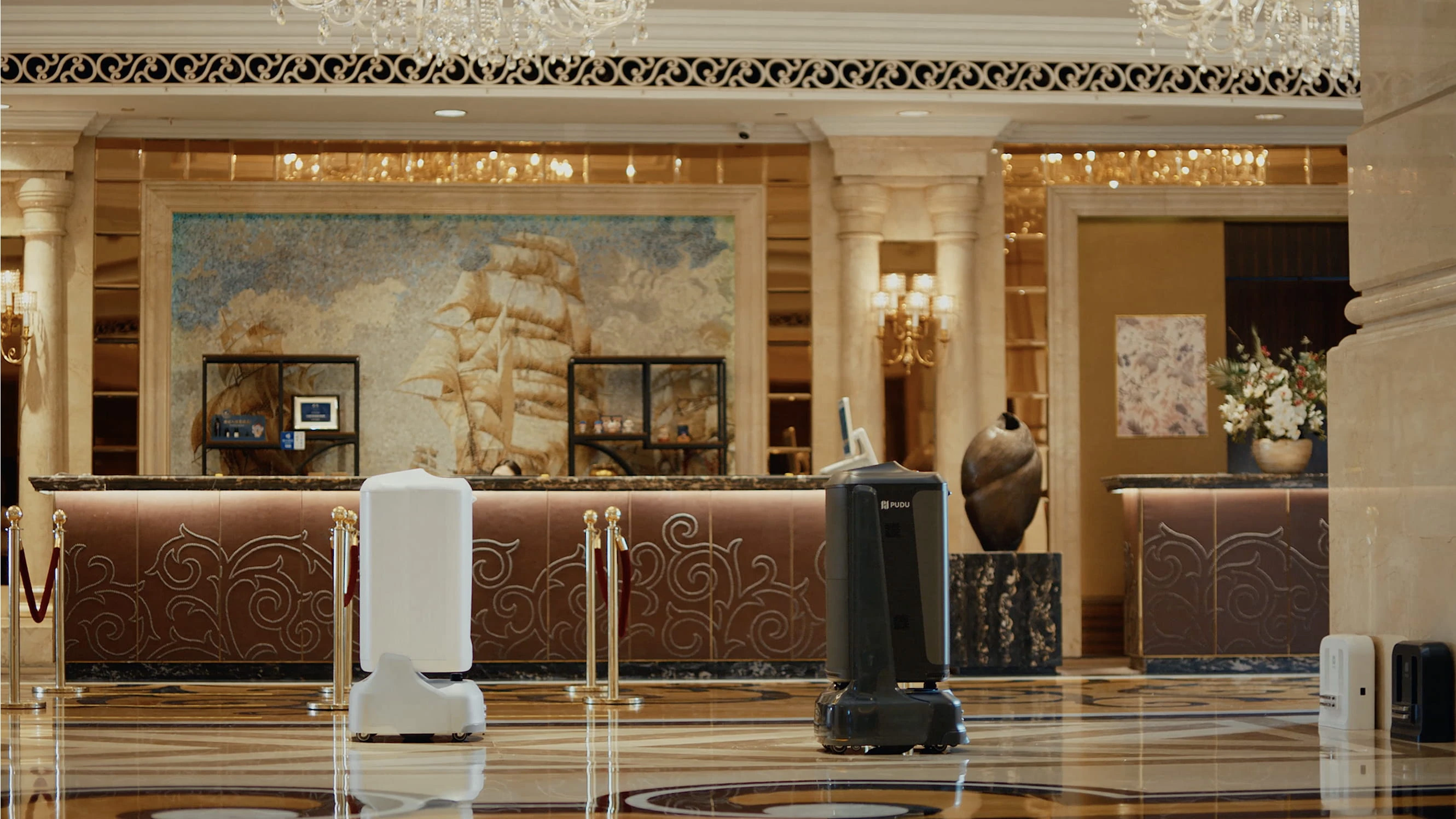
Six sectors, one operating model: measure the floor, size the fleet, train the crew, prove the coverage. No two buildings get the same configuration.
Lobbies that stay spotless through every check-in wave.
A 300-room hotel lobby gets walked on 1,800 times a day. Your night crew scrubs it once and it looks tired by 10 a.m. Robots run the same route four times overnight and report exactly what got covered.
Quiet, predictable floor care that never disrupts patients.
EVS teams are measured on both cleanliness scores and HCAHPS. Robots handle the long corridor runs and waiting areas so your staff can focus on isolation rooms, terminal cleans, and patient interaction.
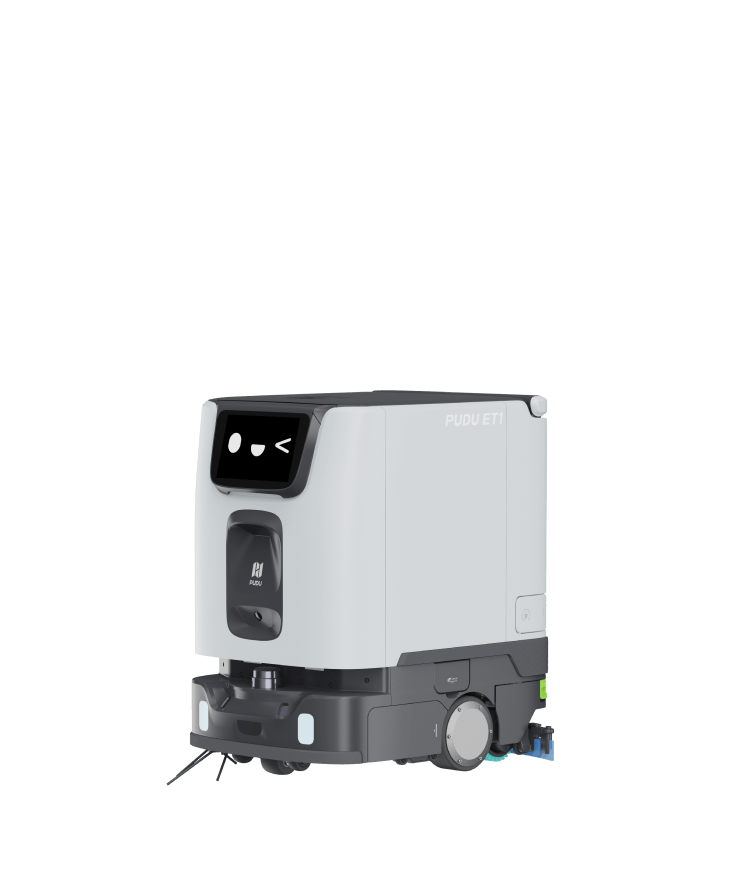
Clean aisles during open hours — without blocking shoppers.
Spills don't wait for closing time. Compact units work the aisles mid-day, route around shoppers, and turn a 21.5" screen into paid vendor space while they do it.
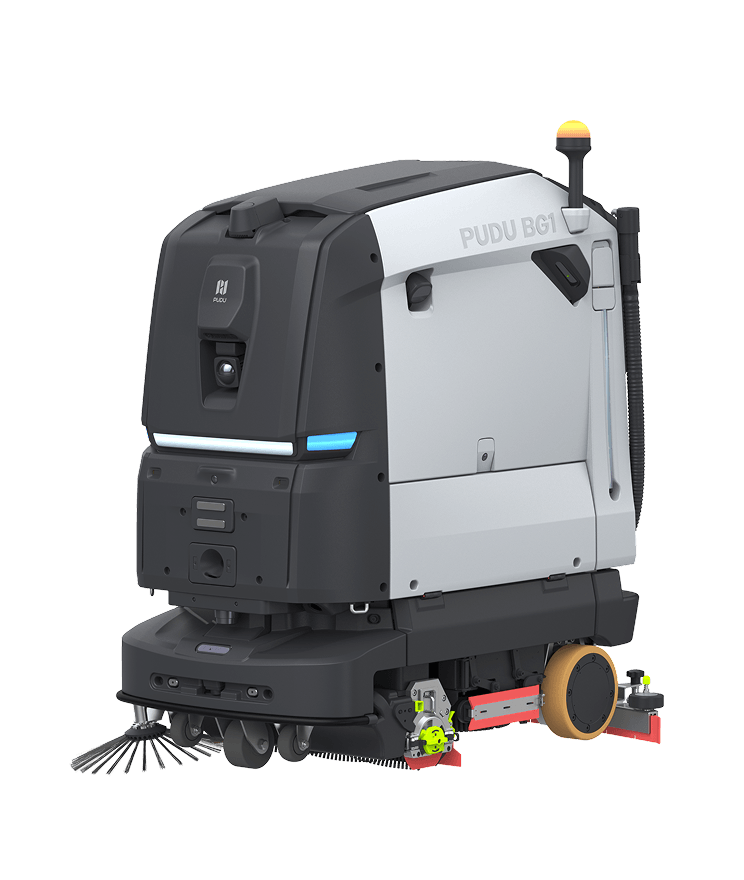
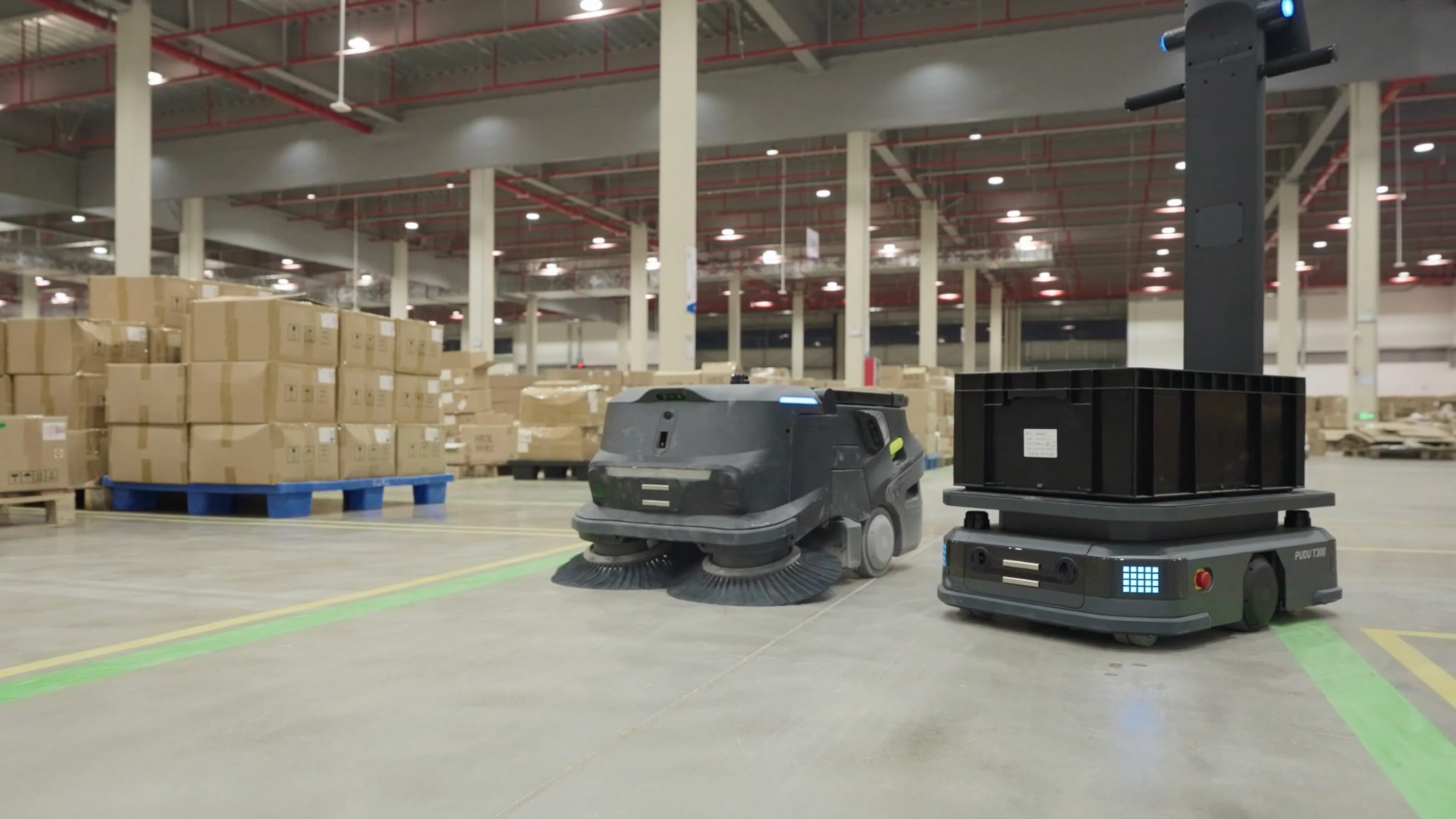
Dust and debris control across 100,000 m² of concrete.
Forklift traffic grinds cardboard, shrink wrap, and dust into every corner. A sweeper that runs the perimeter and main aisles overnight keeps the air cleaner and the safety walk-throughs clean.
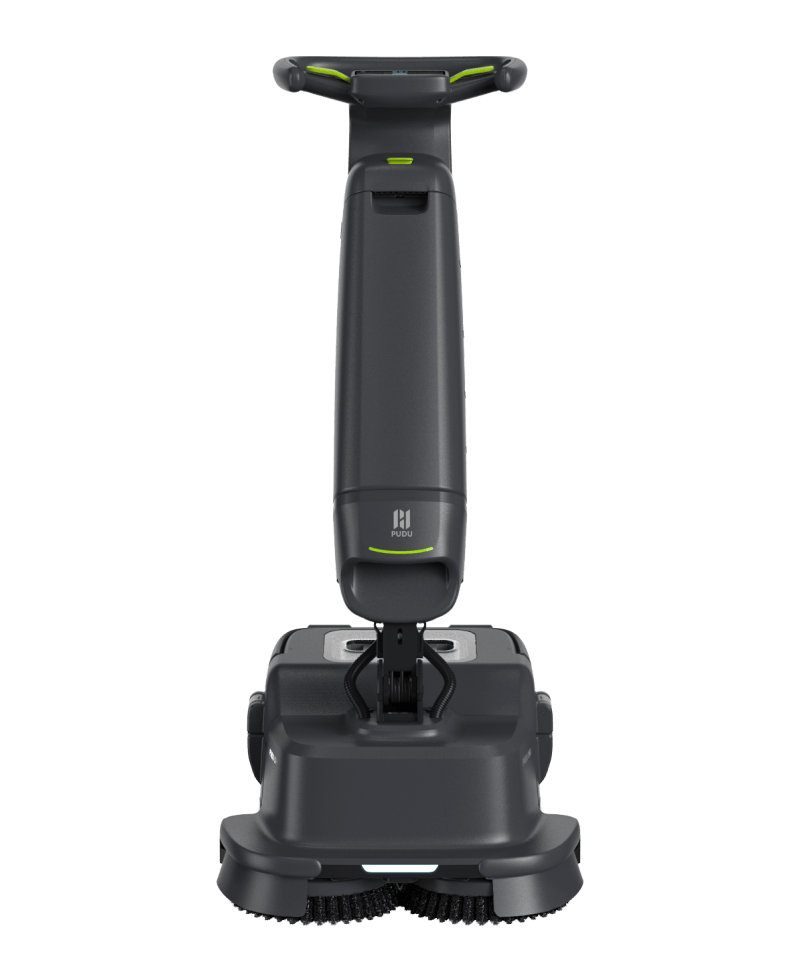
Campus-scale coverage with one operator and a tablet.
Custodial teams are the first to be cut and the last to be hired back. Robots let a smaller crew hold the same standard across gyms, cafeterias, and corridors — with a record of what was cleaned.
Terminal floors, 20 hours a day, with zero missed zones.
A terminal never closes. Robots work between flight banks, recharge in the gaps, and hand you a coverage map that proves every zone was hit before the morning rush.
Casinos, stadiums, convention centers, car dealerships, data centers, self-storage, parking garages — if it has a hard floor and a labor line, we can model it. Send us the square footage and floor type and we'll tell you honestly whether robots make sense.
Twenty minutes, one walkthrough, and a written coverage plan with modeled payback — no obligation, no pressure.